Describe the smallest useful result
Base44 describes building applications, websites and AI agents through natural-language instructions, with services such as storage, authentication, hosting and payments built in. A conversational interface can make starting feel easy. The hard part is still deciding what the app should do and what it must never do.
Begin with a one-sentence outcome for one kind of user. A simple customer tracker might help a solo consultant remember the next action for each lead. That is narrower and easier to test than a request for a complete business operating system. Put optional ideas in a separate list so they do not obscure the first useful journey.
List the records before the pages
For each record type, name the fields and explain which are required. A lead may need a name, stage, owner and next-action date. Decide whether an empty value is allowed, whether two records can share a name and what should happen when a record is deleted. These choices affect both the data model and the interface.
Distinguish a label shown on screen from the underlying value. A dropdown offering three stages should not accept an arbitrary fourth stage simply because a request bypasses the browser. OWASP separates syntactic validation from semantic validation: a field can have the right type and still make no sense for the operation.
Write the permission table
Name each role and its allowed actions. For a shared tracker, an administrator might invite colleagues while a regular member can edit only assigned leads. Decide who can export data and whether deleted records remain recoverable. Do not let the existence of a sign-in feature stand in for these decisions.
Test permissions on the server side. OWASP recommends validating access for every request and warns against relying on client-side controls. Include a test where one account tries to access another account's record directly. The expected result should be explicit before you ask the builder to fix a failure.
Finish the brief with evidence
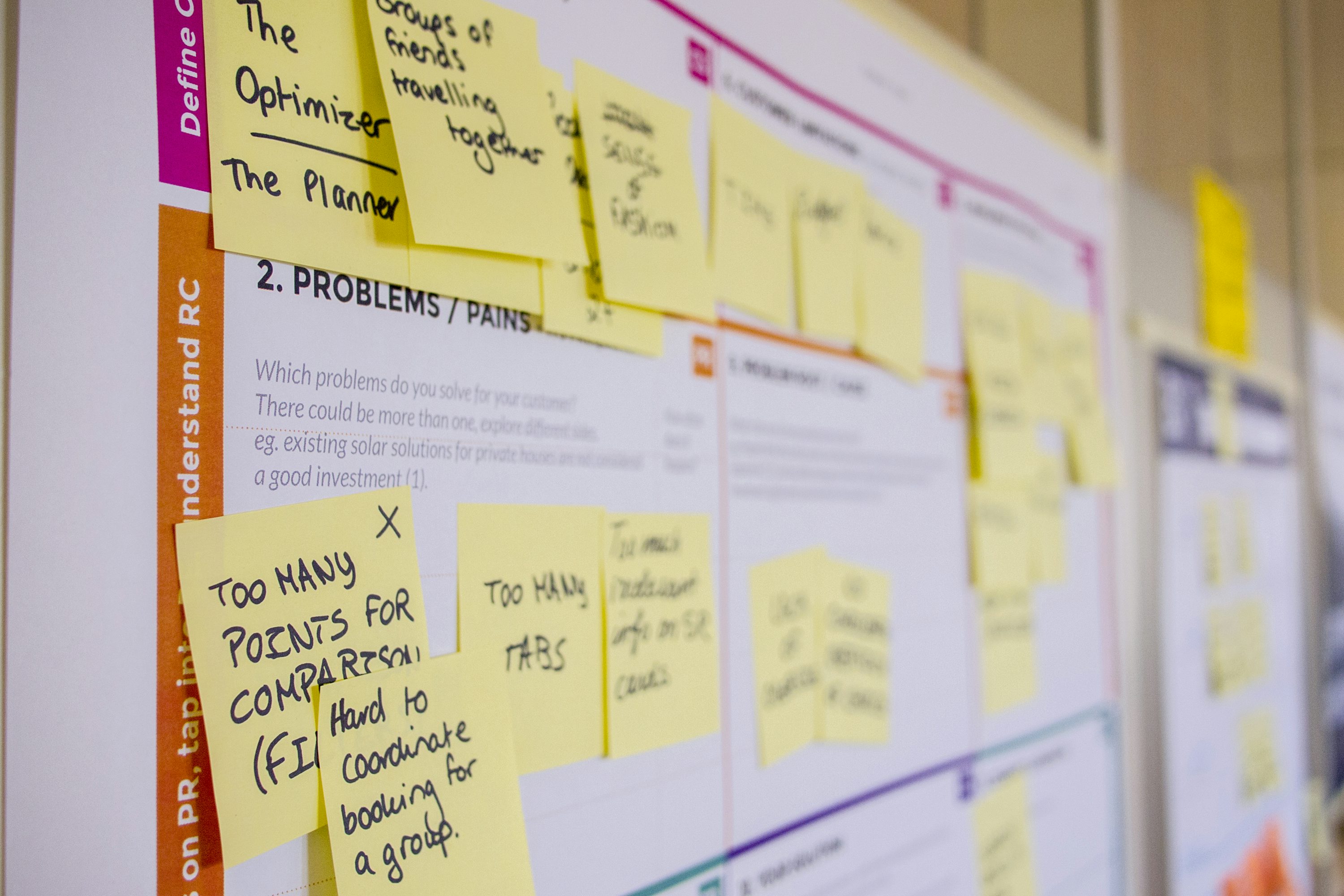
Give the builder a small set of example inputs and expected outputs. Include a duplicate record, a missing required field and an unauthorized action. Use fictional people and sample business information. A screenshot is useful for layout, but it cannot specify all the rules behind a working application.
When the first version exists, run the same checklist after every large change. Review the platform's current plan, export and integration details before committing to a production workflow. A brief that stays testable is more useful than a long prompt full of adjectives.